The Evolution of Homo Economicus: the Resurrection of Commoners
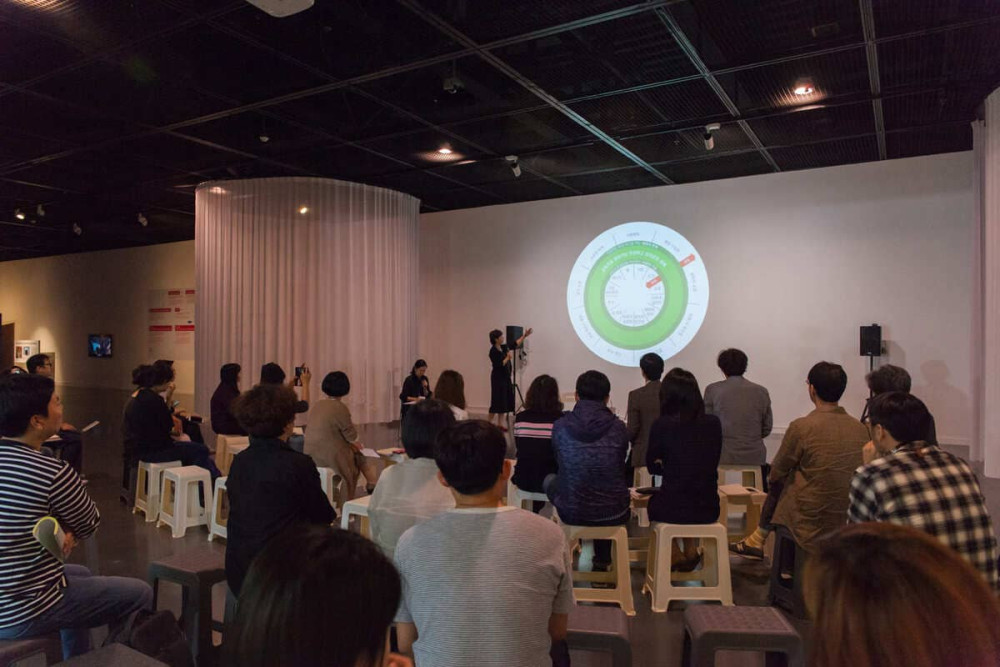
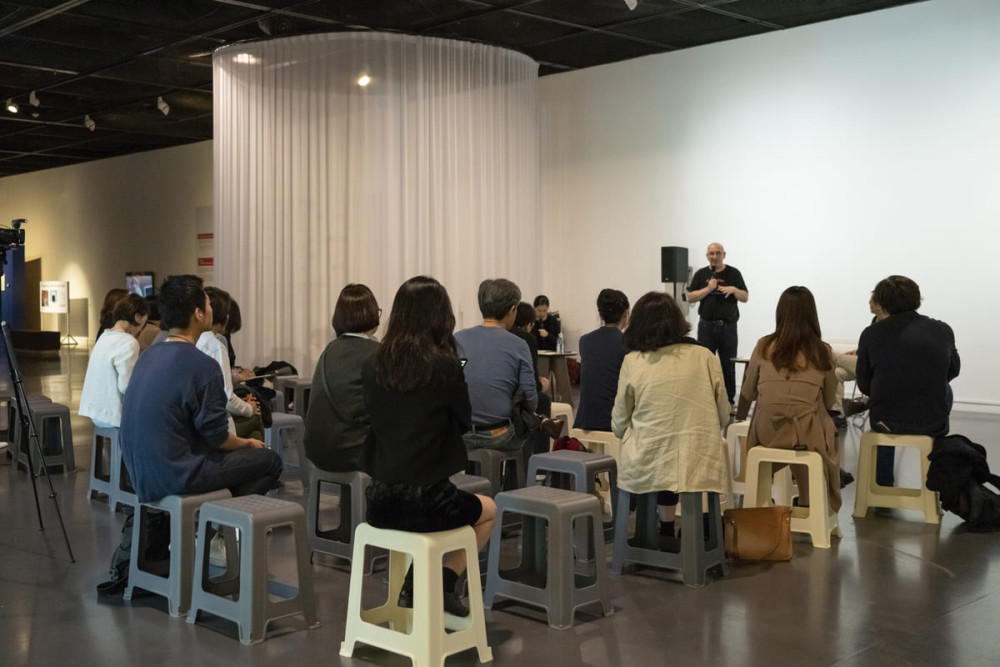
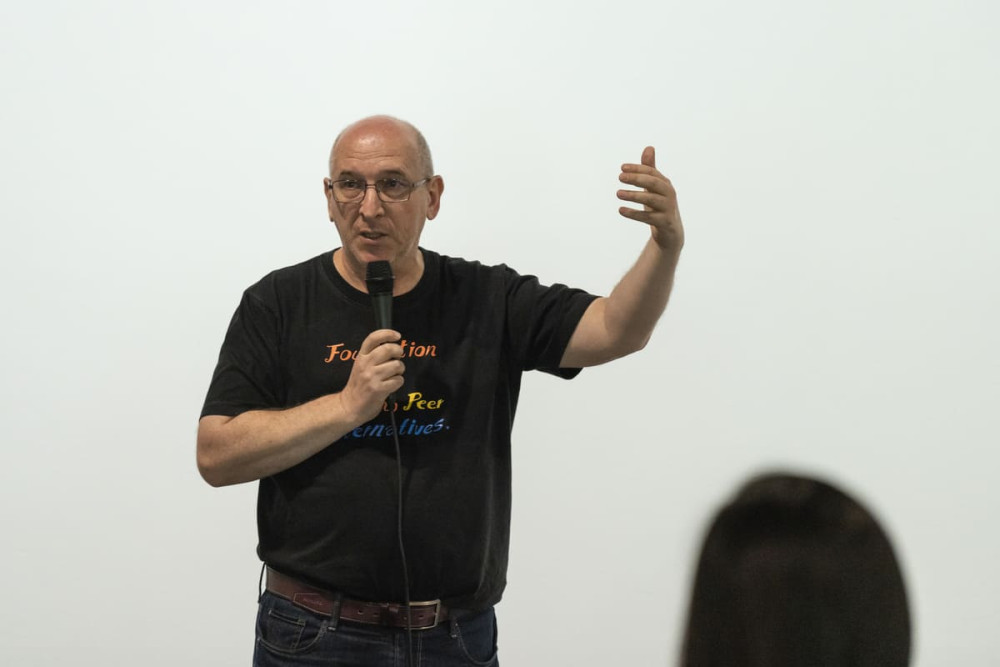
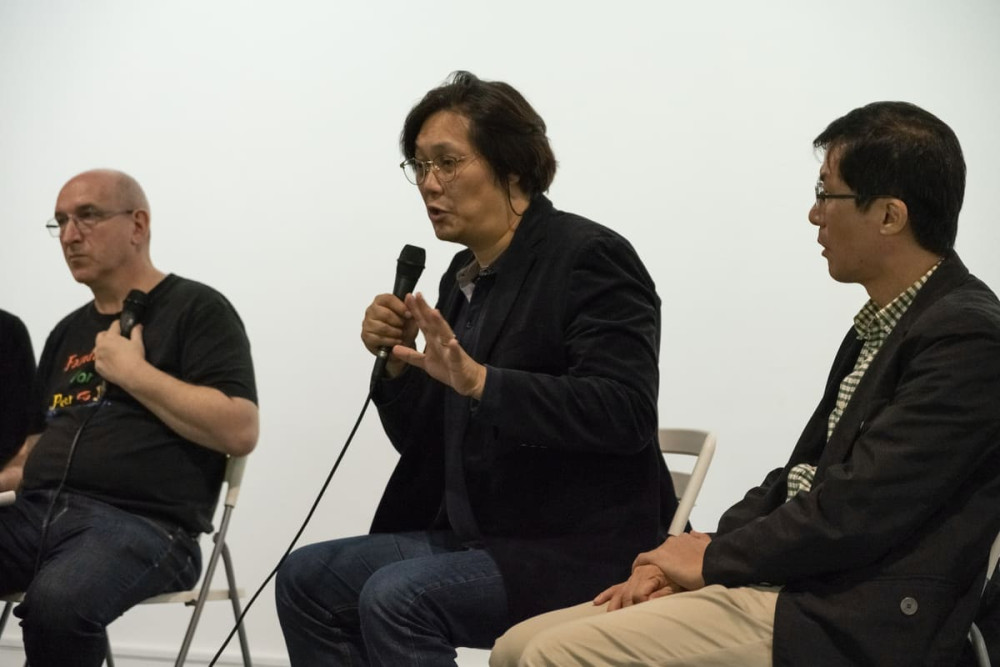
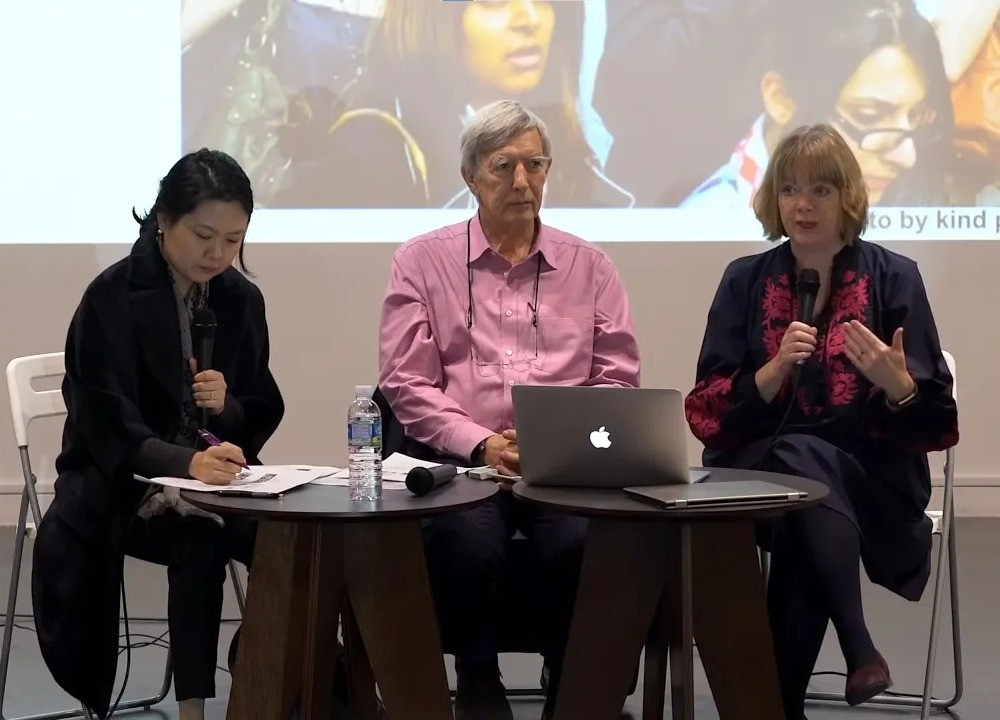
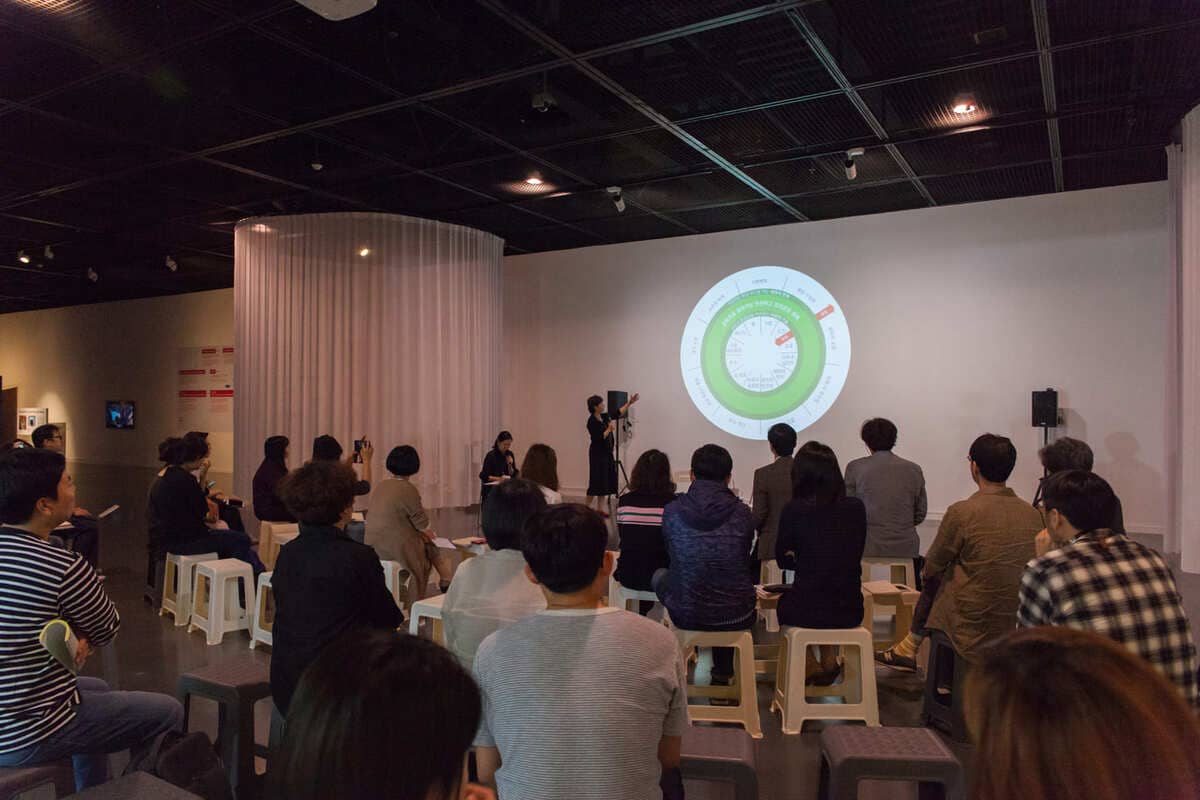
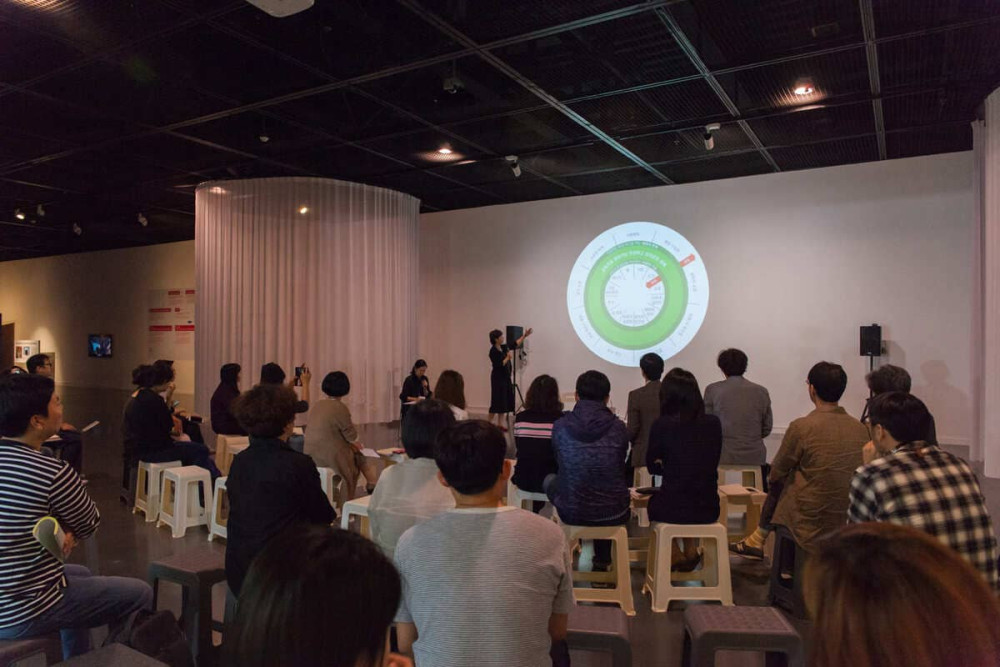
This event was a lecture series held in conjunction with the 10th Seoul Mediacity Biennale Eu Zên, organized by economist Hyeong Joon Park, PhD. The program featured lectures by three invited experts, followed by forums that introduced diverse discourses addressing the limitations of growth-first ideologies and proposing alternative ways of living, thereby creating a platform for expanded discussion.
This program The Evolution of Homo Economicus: the Resurrection of Commoners consisted of three sessions. At the times of the great turn, the researchers and panels discuss major issues to seek a principle and human subject completely different from those of the previous industrial era. They also encourage the acknowledgement of the seriousness of the ecological, natural, and social crises brought about by developmentalism and the limits of homo-economicus, a humancentered selfish existence that was created during the capitalist industrial society. Their position, thereby, explores the potential evolution of human beings that would be appropriate to the new material conditions of the 21st century and the 4th Industrial Revolution—that is, this evolution should be one from competitive human beings in a world of the survival of the fittest to a human species, based on commons, that live together with others. This lecture aims to recognize the limits of our society, which has exclusively pursued material/economic development, and to open a field for communication so that participants can suggest new ways of living and can discuss diverse discourses related to new living conditions.
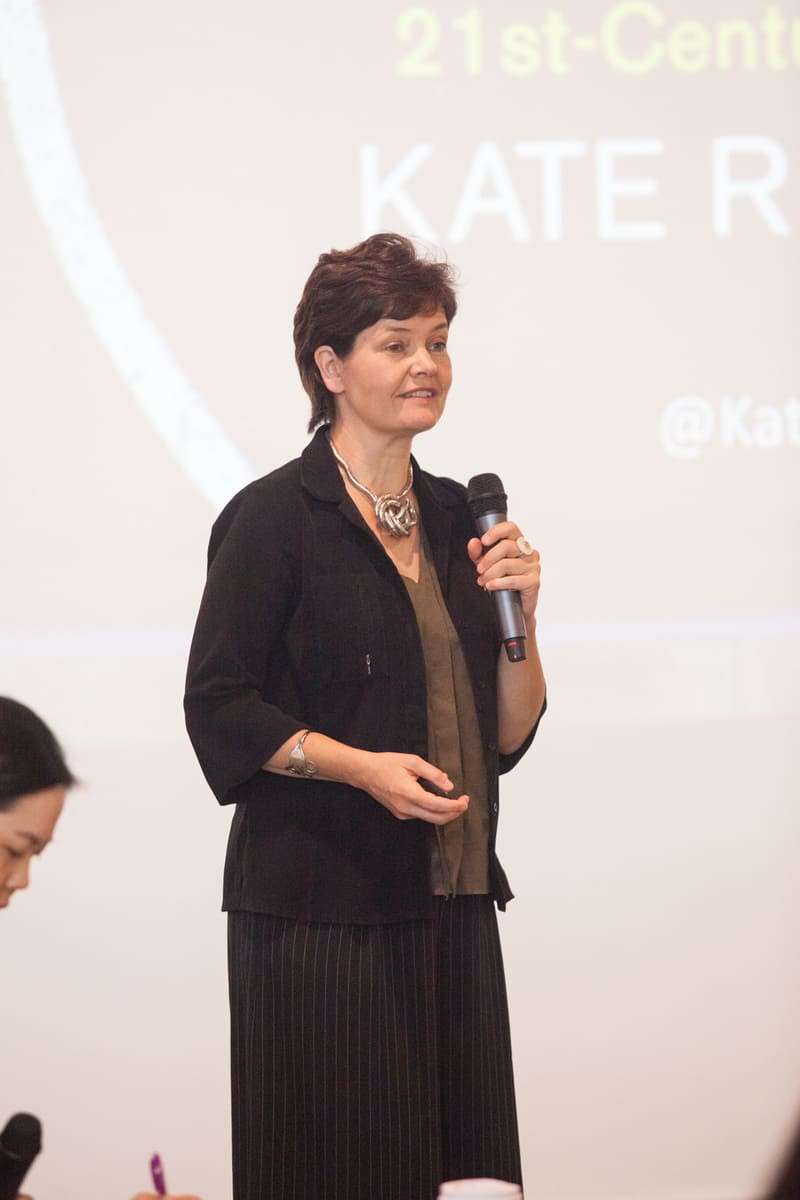
Lecture 1: Kate Raworth—2018. 09. 27. 14.00-16.00
Kate Raworth received an MSC in Economics for Development and International Development from Oxford University. She is now the senior researcher of the international non-governmental organization, Oxfam. Also working as the senior researcher at the Environmental Change Institute of Oxford University and the Cambridge Institute for Sustainability Leadership of the University of Cambridge, Raworth conducts research on the new economic development paradigm to achieve social equilibrium and the issue of human rights on a planetary level. She is the co-author of State of the World 2013: Is Sustainability Still Possible? and her book Doughnut Economics: Seven Ways to Think Like a 21st Century Economist is published in Korea.
In her representative book Doughnut Economics, Kate Raworth asserts that the existing economic system exclusively focuses on development and has resulted in widespread social inequity. Doughnut Economics, a new economic paradigm, suggests new directions for international development, government strategies, and entrepreneurial strategies. The doughnut to which Raworth refers is the proposal for a system that satisfies the necessities of human lives without imposing any bad influences on the environment. The doughnut consists of an ecological ceiling and a social ground. According to Raworth, we need to stay within a realm of security and justice, a realm that does not go over the border of the ecological ceiling. Doughnut economics establishes the foundation for a fair and sustainable future, and Raworth emphasizes that we need to discuss specific methods to reach the goal together.
Lecture 2: Michel Bauwens—2018. 10. 02. 10.00-12.00
Michel Bauwens is the founder and director of P2P (Peer-to-Peer) and co-founder of the Commons Strategies Group that hosted the international conference in the fields of commons and economy. He has co-researched internationally on Peer Production, governance and capital. As a research director of FLOKsociety.org—established by the Ecuadorian government for “social knowledge economy”—Bauwens set up the “Commons Implementation Plan.”
In his well-known book Network Society and Future Scenarios for a Collaborative Economy, Bauwens does not merely criticize the capitalist system, but also attempts to discuss a possible alternative form for the world, which may contribute to the dialog in progress to construct the post-capitalism environment. The co-authors of the book regard the P2P infrastructure as a forthcoming condition for labor, economy and the society in general, and conceive it as a social development toward post-capitalism, which requires protection, implementation, and stimulation within the capitalist system. Through four scenarios, the authors simplify the possible results and attempt to inquire into the trajectory of the existing technological-economic paradigm within and beyond capitalism.
Lecture 3: Richard G. Wilkinson—2018. 11. 01. 10.00-12.00
Richard G. Wilkinson is the emeritus professor of Social Epidemiology at the University of Nottingham, honorary professor at University College London, and visiting professor at the University of York. His publications and research articles have examined the tendency for the increase in problems of the public in societies with a widened class gap. He is the co-author of The Spirit Level: Why Equality is Better for Everyone, which has been published in 24 languages worldwide.
In The Spirit Level: Why Equality is Better for Everyone, Wilkinson investigates the influences of social inequality on other social issues by using objective research methods represented in the forms of statistical results and graphs, which help to testify to the fact that, at least within advanced countries, the level of happiness and health is higher in societies with a smaller class gap. Unlike the existing research that has argued that the most decisive condition of most social problems (e.g. the level of social credibility, violence, homicide, rate of violent crime) is the national income per capita, he asserts that the degree of social inequality most strongly influences these social issues. That is, economic inequality causes other social problems, which, in result, increases social expense. He discusses the extent to which social inequality damages a society based on sufficient resources.